About This Collection | Black & White Fine Art Photography Prints
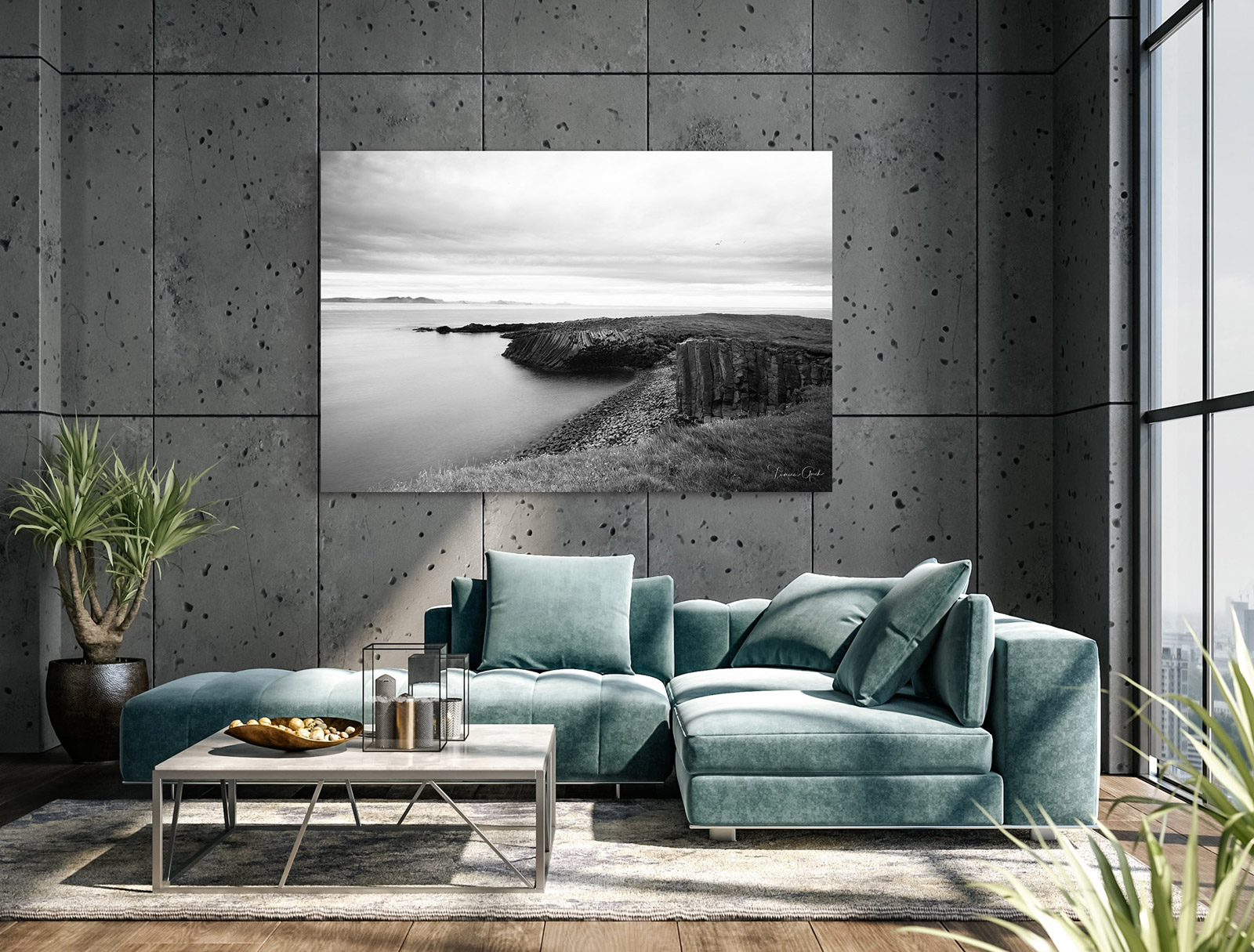
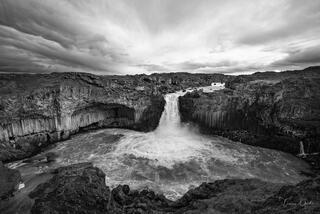
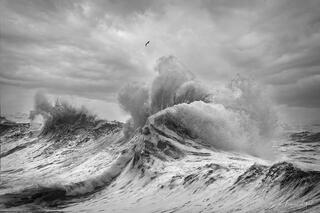
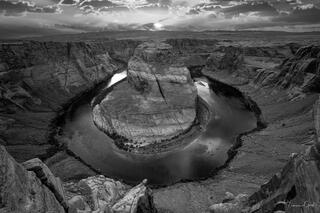
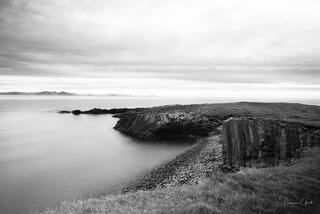
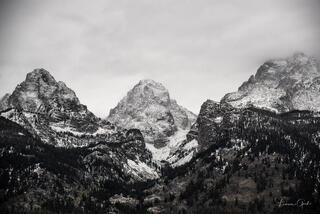
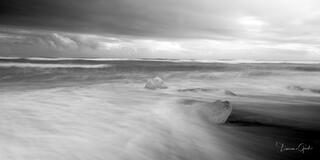
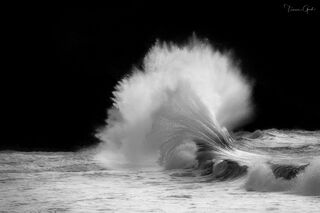
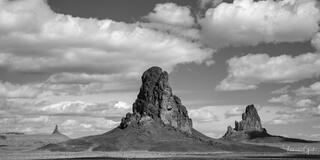
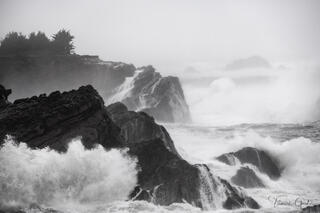
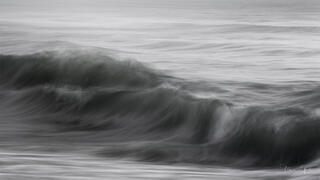
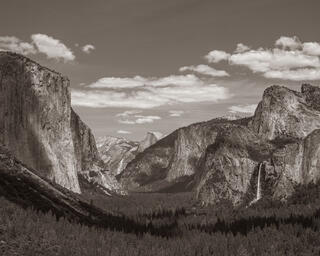
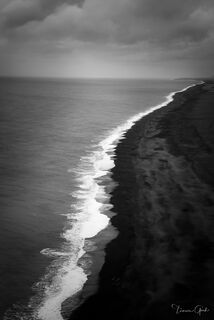
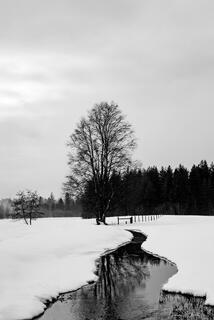
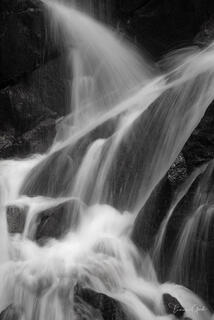
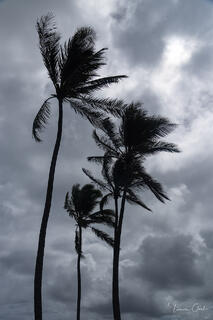
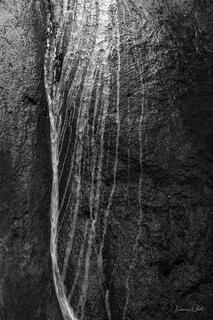
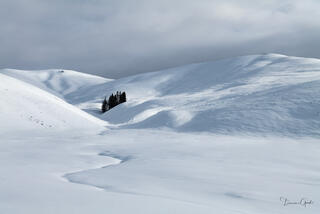
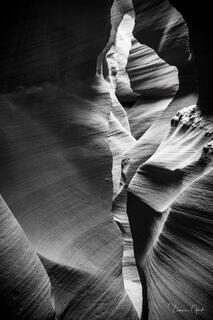
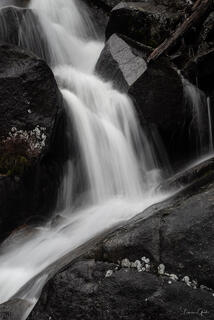
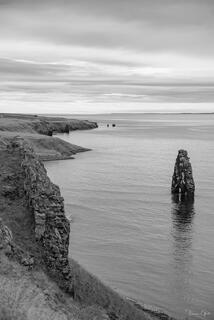
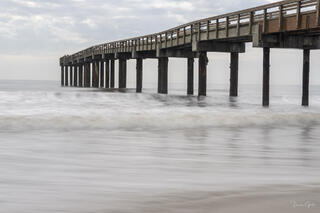
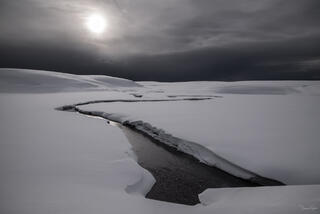
Tamara Gooch's black and white landscape and nature collection is a curated body of 22 limited edition monochromatic fine art prints drawn from some of the world's most visually extraordinary environments. The collection spans Iceland, American slot canyons, Yellowstone National Park, Pacific waterfalls, coastal pier and ocean studies, Yosemite National Park, and intimate nature studies of trees and natural form.
Every image in this collection was selected specifically for its tonal strength — its ability to communicate drama, texture, atmosphere, and emotion through light and shadow alone. The result is a collection that functions as both fine art photography and interior architecture — works that define the spaces they inhabit rather than simply decorating them.
These prints are produced on archival museum-quality mediums and are available through Tamara's Fine Art Trade Program for interior designers, hospitality procurement professionals, and commercial art buyers.
Frequently Asked Questions
What subjects and locations are featured in this black and white photography collection? The collection draws from some of the world's most visually compelling natural environments — Iceland's volcanic landscapes, the sinuous light-carved walls of American slot canyons, Yellowstone National Park's thermal and landscape features, Pacific waterfalls, coastal pier and ocean studies, Yosemite National Park, and intimate studies of trees and natural form. Each location was chosen for the particular strength of its tonal architecture — the way it reads in black and white specifically, not merely as a color image converted to monochrome.
Why do interior designers prefer black and white fine art photography for luxury spaces? Black and white fine art photography is one of the most consistently specified choices for luxury interiors for several reasons. It is palette-neutral — it works with any color scheme without competing or clashing. It is timeless — it doesn't date the way trend-driven color photography can. And it creates visual continuity across multiple spaces, making it particularly effective for designers specifying art across an entire property or development. For grand residential estates, boutique hotels, executive suites, and corporate environments, black and white landscape photography delivers drama and sophistication without visual noise.
What makes a strong black and white landscape photograph? The difference between a black and white photograph and a great black and white fine art print lies entirely in tonal architecture — the deliberate management of highlight, shadow, midtone, and texture to guide the eye and create emotional impact. Tamara Gooch's monochromatic work is photographed and processed specifically for black and white output, not converted from color originals as an afterthought. This means every compositional decision — light direction, exposure, timing, contrast — was made with the monochromatic final image in mind from the moment of capture.
What print medium works best for black and white fine art photography? Lumachrome HD TruLife® Acrylic is an outstanding choice for black and white fine art — its exceptional tonal depth and optical clarity allow the full range of shadow and highlight detail to be rendered with extraordinary precision, producing blacks of genuine depth and whites of true luminosity. ChromaLuxe® Metal is equally compelling for black and white work in contemporary and industrial interiors, where the aluminum substrate adds a subtle cool undertone that complements monochromatic imagery. Hahnemühle fine art paper is the traditional choice for collectors who prefer the tactile warmth of a paper print — particularly effective for intimate nature studies and quieter compositions. DuraPlaq® FloatPlaqs are also available across the collection.
What sizes are available for large format black and white prints? Prints are available across a full range of sizes from intimate collector works up to statement installations of 120 inches. Black and white landscape photography is particularly effective at large scale — the absence of color means the eye focuses entirely on form, light, and composition, which rewards the scale that large format printing provides. Slot canyon studies, waterfall long exposures, and sweeping Iceland landscapes are especially powerful at 60 inches and above. Tamara's complimentary room visualization service allows buyers to see any image rendered to exact scale in their actual space before purchasing.
Are black and white prints suitable for luxury hospitality and commercial installations? Yes. Monochromatic fine art photography is among the most versatile and enduring choices for luxury hospitality environments — from boutique hotel lobbies and executive suites to spa sanctuaries, residential common areas, and corporate headquarters. The palette-neutral quality of black and white work makes it particularly effective in hospitality spaces where art must work across varied lighting conditions and interior color schemes. Tamara's Fine Art Trade Program offers preferred pricing, tiered discounts for orders of 10 or more pieces, and dedicated support for designers and procurement teams managing complex installations.
Are these prints limited editions? Every image in this collection is a numbered limited edition produced in runs of 50 prints per image per size worldwide. Editions are permanently retired once sold out — no reprints, no exceptions. Certificates of authenticity documenting the edition number, artist signature, print medium, and archival specifications are included with every purchase.
Does Tamara Gooch have a separate black and white equine photography collection? Yes. Tamara's black and white fine art spans two distinct collections. This gallery focuses exclusively on landscape and nature subjects — Iceland, slot canyons, Yellowstone, waterfalls, ocean, trees, and Yosemite. A separate Black & White Equine Fine Art Photography collection, housed within the Fine Art Horse Photography hub, features monochromatic studies of horses and equine subjects. Both collections share the same commitment to tonal architecture and large format museum-quality printing.