About This Collection | Big Cat Fine Art Photography Prints
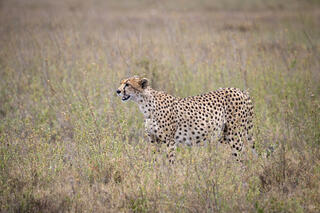
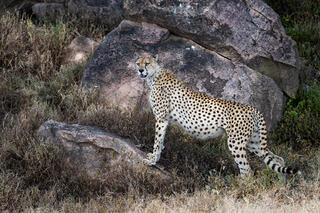
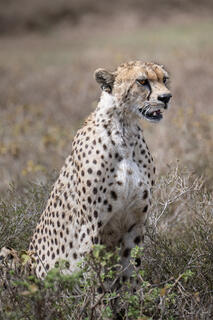
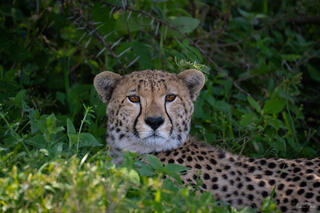
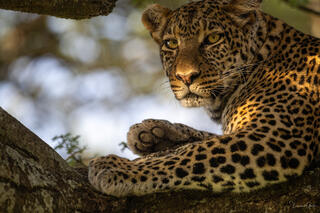
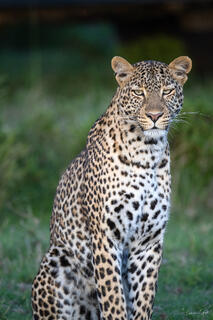
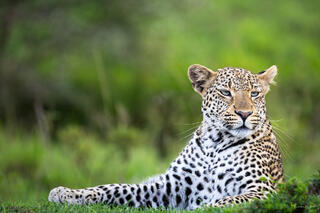
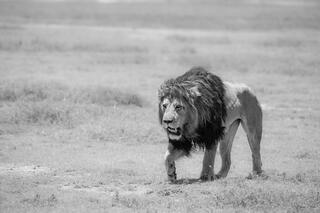
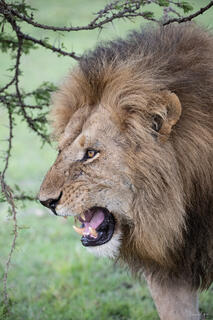
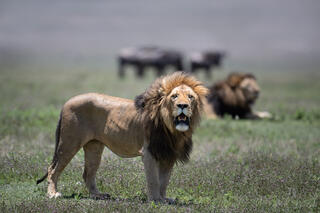
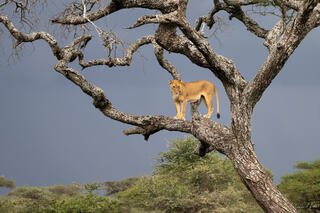
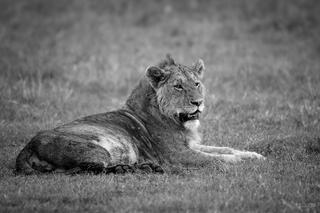
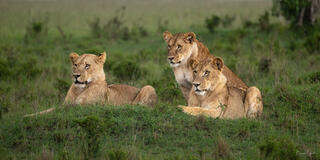
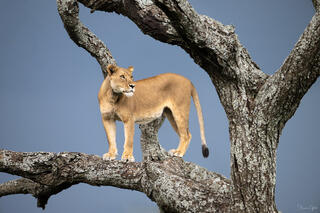
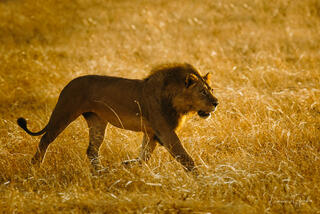
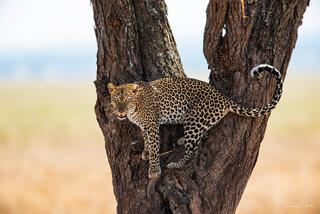
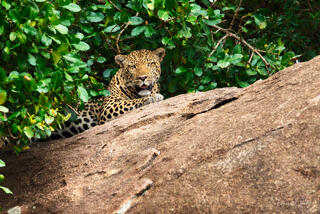
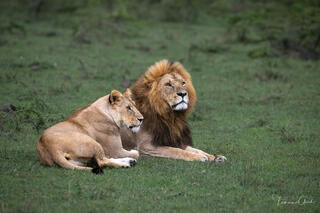
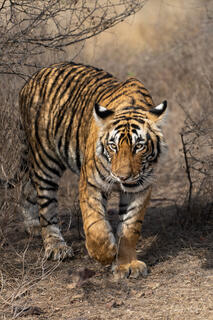
Tamara Gooch's Big Cat collection brings together limited edition fine art photography prints of lion, leopard, and cheetah photographed on location in Tanzania and the broader East African ecosystem. The collection leans toward portraiture — images that engage directly with the individual animal's personality, presence, and relationship to light — while including action and environmental studies that capture the full behavioral range of these extraordinary predators.
Big cat fine art photography is one of the most consistently sought-after categories in the wildlife fine art market, with strong demand from private collectors, interior designers, luxury hospitality environments, and corporate art buyers. These prints are produced on archival museum-quality mediums and are available through Tamara's Fine Art Trade Program for designers and commercial buyers managing large or complex installations.
Frequently Asked Questions
What big cat species are featured in this collection? The collection features all three of Africa's most iconic big cat species — lion, leopard, and cheetah — each photographed on location in Tanzania. The collection leans toward portraiture, with images that engage directly with the individual animal's presence and personality, alongside action and environmental studies that capture these predators in their natural behavioral range. Together the three species offer collectors and designers a complete picture of East Africa's big cat ecosystem.
Where are these big cat photographs taken? Every image in this collection is captured on location in Tanzania and the broader East African ecosystem — one of the world's premier big cat photography destinations. These are wild animals photographed entirely in their natural habitat, behaving instinctively without human intervention or staging of any kind. Tanzania's Serengeti ecosystem supports one of the largest and most accessible big cat populations remaining in the wild, and Tamara's extensive field experience in the region gives her access to moments and light conditions that casual visitors rarely encounter.
What makes big cat portraiture different from standard wildlife photography? Most wildlife photography documents behavior — an animal doing something at a particular moment. Big cat portraiture goes deeper, seeking the image that reveals individual personality, presence, and the quality of intelligence behind the eyes. It requires patience measured in hours rather than minutes, an intimate understanding of feline behavior, and the ability to recognize and capture the specific moment when an animal's expression transcends documentation and becomes a genuine portrait. At large format these images carry a presence that is qualitatively different from a behavioral wildlife photograph — they engage the viewer directly and hold that engagement over time.
Why is big cat fine art photography such a strong choice for luxury interiors? Big cats carry a near-universal cultural resonance — they are among the most recognizable and emotionally powerful animal subjects in the world, with symbolic associations that cross virtually every culture and design aesthetic. A large format lion portrait commands instinctive attention in any space. Leopard studies work beautifully in sophisticated contemporary interiors where pattern, texture, and tonal contrast are design priorities. Cheetah imagery brings kinetic energy and elegance to spaces that need movement without chaos. For luxury residential projects, boutique hotels, safari lodges, corporate headquarters, and high-end hospitality environments, big cat fine art photography is among the most impactful single-image specification choices available.
What print sizes are recommended for big cat fine art photography? Big cat portraits are particularly powerful at large and statement scale — 48 inches and above for private residences and offices, 60 to 120 inches for hospitality lobbies, lodge common areas, and grand residential spaces. At large format the fine detail of fur texture, whisker definition, and eye depth becomes fully visible, transforming the print from a decorative object into a genuine presence in the room. Tamara's complimentary room visualization service allows buyers to see any image rendered to exact scale in their actual space before purchasing.
What print medium is recommended for big cat fine art photography? Lumachrome HD TruLife® Acrylic is the strongly recommended medium for this collection — its exceptional optical depth and luminosity render the full tonal range of big cat imagery with extraordinary precision, bringing out the texture of fur, the depth of shadow in a mane, and the luminosity of eyes in a way no other medium matches. The face-mounted acrylic finish also provides a level of color saturation and three-dimensional presence that is particularly effective for portrait-style wildlife imagery. ChromaLuxe® Metal is an outstanding alternative for contemporary and transitional interiors, delivering vivid color and high contrast on aluminum. DuraPlaq® FloatPlaqs and Hahnemühle fine art paper are also available.
Are big cat prints suitable for luxury safari lodge and hospitality interiors? Yes — big cat imagery is one of the defining art categories for luxury African safari lodge interiors, African-themed boutique hotels, and high-end hospitality environments with a connection to the natural world. The combination of emotional power, visual drama, and subject matter directly aligned with the safari experience makes big cat fine art photography a primary specification choice for lodge designers and hospitality art buyers worldwide. Tamara's Fine Art Trade Program offers preferred pricing, tiered discounts for orders of 10 or more pieces, and dedicated support for designers and procurement teams managing complex installations.
Are these prints limited editions? Every image in this collection is a numbered limited edition produced in runs of 50 prints per image per size worldwide. Editions are permanently retired once sold out — no reprints, no exceptions. Certificates of authenticity documenting the edition number, artist signature, print medium, and archival specifications are included with every purchase.